
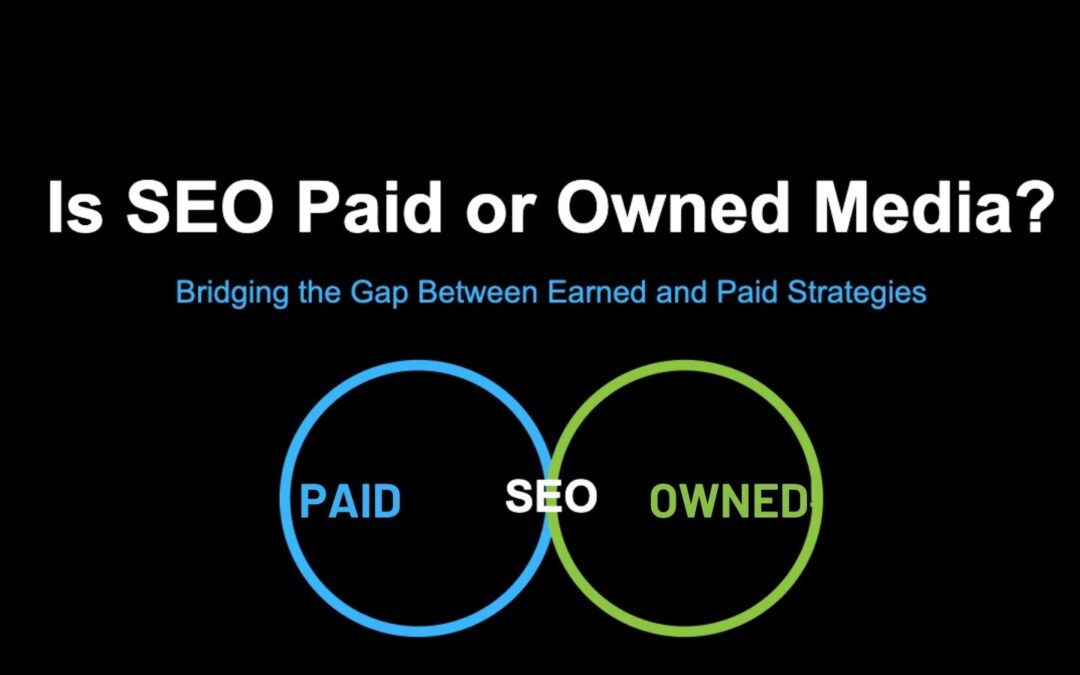
When marketers debate where Search Engine Optimization fits in the classic media framework, the conversation usually gets stuck. Is SEO paid media because you invest significant budget into content creation, technical audits, and link building? Or is it owned media because it drives traffic directly to your website?
The short answer: SEO is primarily owned media, but it functions as a hybrid that bridges the gap between owned, earned, and paid strategies.
Understanding how SEO fits into these categories helps you allocate your marketing budget smarter, build sustainable visibility, and drive consistent growth.
Defining the Media Framework
To see where SEO lands, let us first break down the traditional POEM (Paid, Owned, Earned Media) model:
- Paid Media: Any marketing channel where you directly pay to leverage a third-party platform. Examples include Google Search Ads, Meta ads, sponsored content, and digital banners.
- Owned Media: Digital assets that your business completely controls. Examples include your website, blog, email list, and landing pages.
- Earned Media: The online word-of-mouth visibility you gain organically through publicity, brand mentions, social shares, and reviews.
Why SEO Belongs to Owned Media
At its core, SEO is the strategy used to optimize your owned media so search engines can index, understand, and rank your content.
When you publish a well-optimized article, create a dedicated service page, or streamline your site’s user experience, you are building digital real estate that belongs to your company. Unlike paid advertising, where your visibility vanishes the moment you turn off your daily ad spend, the organic rankings achieved through strong SEO continue to deliver traffic over time.
Key Characteristics of SEO as Owned Media:
- Asset Creation: You own the website code, the domain authority, and the written content.
- Long-Term Compounding ROI: High-ranking pages can attract qualified leads for months or years after their initial launch without ongoing cost-per-click charges.
- Total Control over Messaging: You decide what content goes on your pages, how your brand presents itself, and how visitors convert.
The Hybrid Reality: Where Earned and Paid Blend In
While the destination of SEO traffic is owned, the process of achieving top rankings requires elements from the other two categories.
The Earned Media Element
Search engines like Google rely heavily on off-page signals to determine authority. Securing backlinks from industry publications, gaining local press mentions, and earning positive customer reviews are all forms of earned media. Without this earned authority, even the best owned content will struggle to reach page one.
The “Paid” Investment Fallacy
It is easy to see why some label SEO as paid media. Organic traffic is rarely free. You pay for:
- Strategic content creation and copywriting
- Technical web development and site speed optimization
- Keyword research tools and SEO management
However, paying for the labor and expertise behind a strategy does not make the outcome “paid media.” For example, paying a contractor to build a house gives you owned real estate. On the other hand, paying rent keeps you in a space only as long as payments continue. So, SEO builds the house.
How to Leverage SEO for Maximum Business Growth
Viewing SEO through the owned media lens changes how you approach your overall digital strategy. Rather than viewing SEO and paid advertising as competing tactics, the most effective marketing strategies combine them.
- Use Paid Ads for Immediate Speed: Launch targeted PPC campaigns to capture immediate leads, test messaging, and identify high-converting keywords.
- Use SEO for Sustainable Scalability: Take the winning keywords from your paid data and build out comprehensive, optimized pages on your site to capture long-term organic market share.
- Optimize for Modern Search Environments: Search is expanding beyond traditional search bars. Ensuring your owned content is structured for AI Search (AEO) and Generative Engine Optimization (GEO) ensures your brand stays visible across new search technology.
Building an Engine That Scales
Relying solely on paid ads leaves your business vulnerable to rising ad costs and changing algorithm rules. On the flip side, relying strictly on organic growth can slow down immediate momentum.
By treating SEO as the cornerstone of your owned media strategy and backing it with targeted digital campaigns, you create an omni-channel presence that captures audience demand at every stage of the buyer journey.